
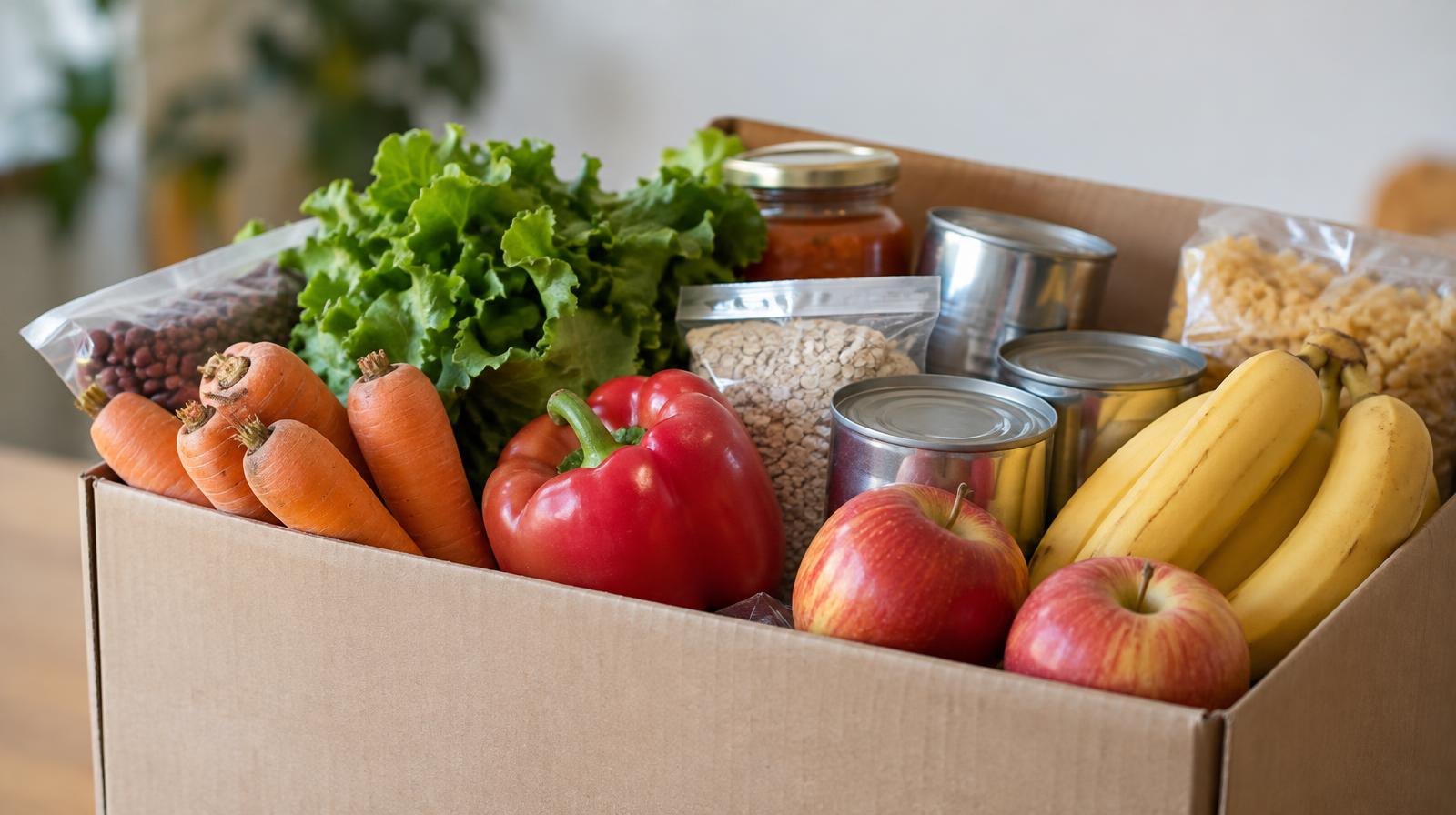
More than one in four Fairfax County households experienced food insecurity in the past year, according to the Capital Area Food Bank's 2026 Hunger Report.
The report, produced by NORC at the University of Chicago, surveyed 3,804 adults across seven jurisdictions in May 2026. It found that 38% of households across Greater Washington went without reliable access to enough food, the highest rate since the survey began in 2022. Fairfax County's rate was 27%, as first reported by Patch.
That regional figure surpasses the 33% food insecurity rate recorded in 2022, near the height of the COVID-19 pandemic. For the first time since the survey's inception, fewer than half of area households reported high confidence in their ability to consistently put food on the table.
Radha Muthiah, executive director of the Capital Area Food Bank, told WTOP on Thursday, Sept. 24 that "thirty-eight percent of our area's residents said that they needed some support in putting food on their tables … so that they could lead an active and healthy lifestyle."
The report points to several forces squeezing household budgets. The Greater Washington region lost more than 100,000 jobs between January 2025 and January 2026, more than any other major U.S. metro area during that period. Federal workforce reductions played a significant role.
Among survey respondents whose households included a recently displaced federal worker or contractor, nearly half had not found new employment. As of May 2026, 33% of impacted federal workers remained food insecure, the report found.
Wages in the region have lagged behind prices, the report found. Average weekly earnings grew 18% since 2019, compared with 36% nationally. The report also cites a record-setting 43-day federal government shutdown in fall 2025 as a factor in financial instability for thousands of area residents.
Forty-four percent of households said their financial situation worsened in the past year, up from 40% in 2025 and 35% in 2024. Nearly six in ten reported dipping into savings to cover monthly expenses. About half were making only minimum payments on credit cards or other loans.
The strain extends beyond adults. Roughly 34% of children across the region experienced food insecurity, according to the survey. In Fairfax County, more than one-third of students qualify for free or reduced-price school meals, according to Food For Neighbors, a Herndon-founded nonprofit serving school food pantries across Northern Virginia.
Federal policy changes could deepen the problem. About 50,000 families across Greater Washington could lose an average of $187 per month in Supplemental Nutrition Assistance Program (SNAP) benefits, according to an Urban Institute analysis cited in the report. The cuts stem from stricter work and eligibility requirements in the One Big Beautiful Bill Act, signed into law July 4, 2025. Maryland's SNAP enrollment already fell by nearly 43,000 people, or 6.4%, between May 2025 and May 2026.
The Capital Area Food Bank, which operates a distribution center in Newington, plans to scale its annual distribution from about 66 million meals to as many as 75 million. Locally, the Reston Farmers Market at Lake Anne Plaza runs a SNAP matching program through Virginia Fresh Match and Cornerstones, offering shoppers up to $40 in free produce per visit.
Karen Joseph, founder and executive director of Food For Neighbors, said after volunteers collected nearly 30,000 pounds of food on Sept. 14 that the effort showed what neighbors can accomplish when each person plays a small part. The full 2026 Hunger Report is available online.

.jpg)